
Driveway Drainage
Get in touchNational Landscapes and Driveways provides driveway drainage solutions to help manage surface water, reduce flooding risks and protect driveways from long-term water damage. The company installs effective drainage systems for homes and commercial properties throughout as part of its nationwide landscaping and driveway services.
What Is Driveway Drainage?
Driveway drainage is the installation of systems that collect and direct rainwater away from driveway surfaces. National Landscapes and Driveways designs drainage solutions that help prevent standing water, reduce erosion and protect block paving, resin, tarmac and concrete driveways from unnecessary wear.
Proper drainage reduces the likelihood of puddles, ice formation during winter and water entering nearby buildings. A well-designed drainage system also helps extend the lifespan of the driveway by reducing water-related deterioration.
What Types of Driveway Drainage Are Available?
Driveway drainage includes several systems designed to suit different driveway layouts, gradients and ground conditions. National Landscapes and Driveways installs drainage solutions that match the requirements of each project.
Linear Channel Drains – Narrow drainage channels that collect surface water along driveway edges.
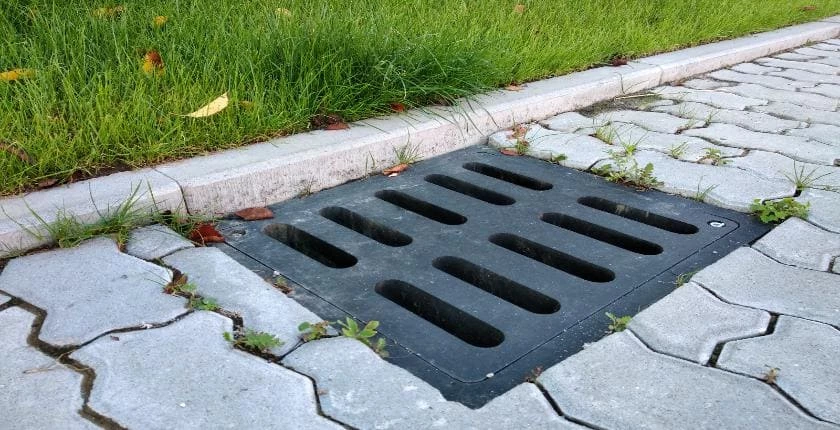
ACO Drainage Systems – Pre-formed channel systems with removable grates for efficient water collection.
French Drains – Gravel-filled trenches with perforated pipes that disperse groundwater.
Soakaways – Underground chambers that gradually absorb collected rainwater into the surrounding ground.
Permeable Drainage Systems – Designed to work with permeable paving to improve natural water infiltration.
When Is Driveway Drainage Needed?
Driveway drainage is needed when rainwater cannot drain away naturally or where surface water regularly accumulates. National Landscapes and Driveways assesses drainage conditions before recommending suitable improvements.
Drainage may be required when:
Water regularly pools after rainfall.
The driveway slopes towards the property.
Existing drainage has failed or become blocked.
A new driveway is being installed.
Local ground conditions reduce natural drainage.
Surface water causes erosion or frost damage.
How Does Driveway Drainage Work?
Driveway drainage works by collecting rainwater and directing it safely away from the driveway surface. National Landscapes and Driveways follows a structured installation process that typically takes 1 to 3 days, depending on the size and complexity of the project.
Inspect the driveway and assess water flow.
Identify suitable drainage locations.
Excavate channels or soakaway areas.
Install drainage components and pipework.
Connect drainage to a soakaway or suitable discharge point.
Test the completed system to ensure efficient water flow.
Who Needs Driveway Drainage?
Driveway drainage benefits homeowners, landlords and commercial property owners experiencing drainage problems. National Landscapes and Driveways installs systems across for properties of many different sizes and layouts.
Suitable clients include:
Private homeowners.
Landlords and property managers.
Commercial premises.
Retail developments.
Schools and community facilities.
Housing developments.
How Much Does Driveway Drainage Cost?
Driveway drainage typically costs from around £300 to £800 for simple channel drainage installations, while larger drainage systems with soakaways generally range from £900 to £2,500 or more, depending on the project.
Typical cost bands include:
Basic channel drain installation: £300–£800
Channel drains with pipework: £700–£1,500
Soakaway installation: £900–£2,500+
Full drainage as part of a new driveway: priced as part of the complete installation.
Costs are influenced by driveway size, excavation requirements, drainage type, ground conditions, existing services and disposal requirements. A detailed quotation confirms the final price.
What Are the Benefits of Driveway Drainage?
Driveway drainage helps protect driveways from water-related damage while improving safety and surface performance. National Landscapes and Driveways installs drainage systems that support long-term durability.
Benefits include:
Reduced standing water.
Improved driveway lifespan.
Lower risk of frost damage.
Better surface safety during wet weather.
Protection for nearby buildings and landscaping.
Improved compliance with surface water management requirements.
What Regulations Apply to Driveway Drainage?
Driveway drainage should manage surface water without increasing flood risk to neighbouring land or public highways. National Landscapes and Driveways considers current drainage requirements when designing installations.
In England, replacement driveways larger than 5 square metres are generally expected to drain to a permeable area or suitable drainage system rather than directly onto the public highway. Drainage design may also take account of local planning requirements where applicable.
Driveway Drainage: Frequently Asked Questions
How long does driveway drainage installation take?
Driveway drainage installation usually takes 1 to 3 days for most domestic projects. Larger systems involving extensive excavation or soakaways may require 3 to 5 days, depending on site conditions.
How long do driveway drainage systems last?
Driveway drainage systems commonly last 20 to 50 years when installed correctly and maintained periodically. Regular cleaning helps prevent blockages and maintains efficient water flow.
Does driveway drainage require maintenance?
Driveway drainage benefits from inspection at least once or twice each year. Removing leaves, silt and debris from drainage channels helps maintain effective performance throughout the year.
Can driveway drainage be added to an existing driveway?
Yes. Driveway drainage can often be retrofitted to existing driveways by installing channel drains, soakaways or other suitable drainage systems. The best option depends on the existing surface and drainage conditions.
Is driveway drainage suitable for all driveway surfaces?
Yes. Driveway drainage can be installed alongside block paving, resin bound surfaces, tarmac, concrete and natural stone driveways. The drainage design is tailored to the surface type and site layout.
Get a Free Quote for Driveway Drainage
National Landscapes and Driveways provides professional driveway drainage solutions throughout , helping property owners reduce surface water problems and protect their driveways with practical, long-lasting drainage systems.
Related Driveway Drainage Services
Effective driveway drainage is essential for protecting external surfaces from standing water, erosion and long-term structural damage, making it an important part of every professionally constructed driveway.
Many projects begin with groundworks and site preparation, allowing drainage channels, soakaways and pipework to be installed before surfacing work starts.
Where wider water management is required, our drainage solutions provide comprehensive systems for managing rainwater around homes, gardens and commercial premises.
Drainage can be incorporated into every driveway surface we install, including resin bound driveways, block paving driveways, tarmac and asphalt driveways, gravel driveways, concrete driveways, pattern-imprinted concrete driveways and permeable SuDS driveways.
To complete a new driveway, many customers also choose driveway edging and kerbs, while existing surfaces can often be improved through driveway resurfacing or driveway repairs and maintenance.
Drainage improvements are frequently carried through into the garden with patios and paving, garden design and build, garden pathways, garden steps and retaining walls.
Complete landscaping projects often include artificial grass installation, turfing and lawn installation, decking installation, fencing installation, gates and railings and garden brickwork.
Our drainage expertise also supports commercial and public surfacing, delivering reliable surface water management for larger developments.